How to Plan a Home Renovation in 2026: A Contractor Guide for the GTA
Renovating a home in the Greater Toronto Area is increasingly seen as a smart investment rather than just a cosmetic upgrade.
In 2026, many homeowners choose to renovate before selling, or to improve long-term livability, focusing on changes that add real value instead of short-term trends. The key to a successful renovation is understanding what to improve, where to invest your budget, and when to seek professional guidance.
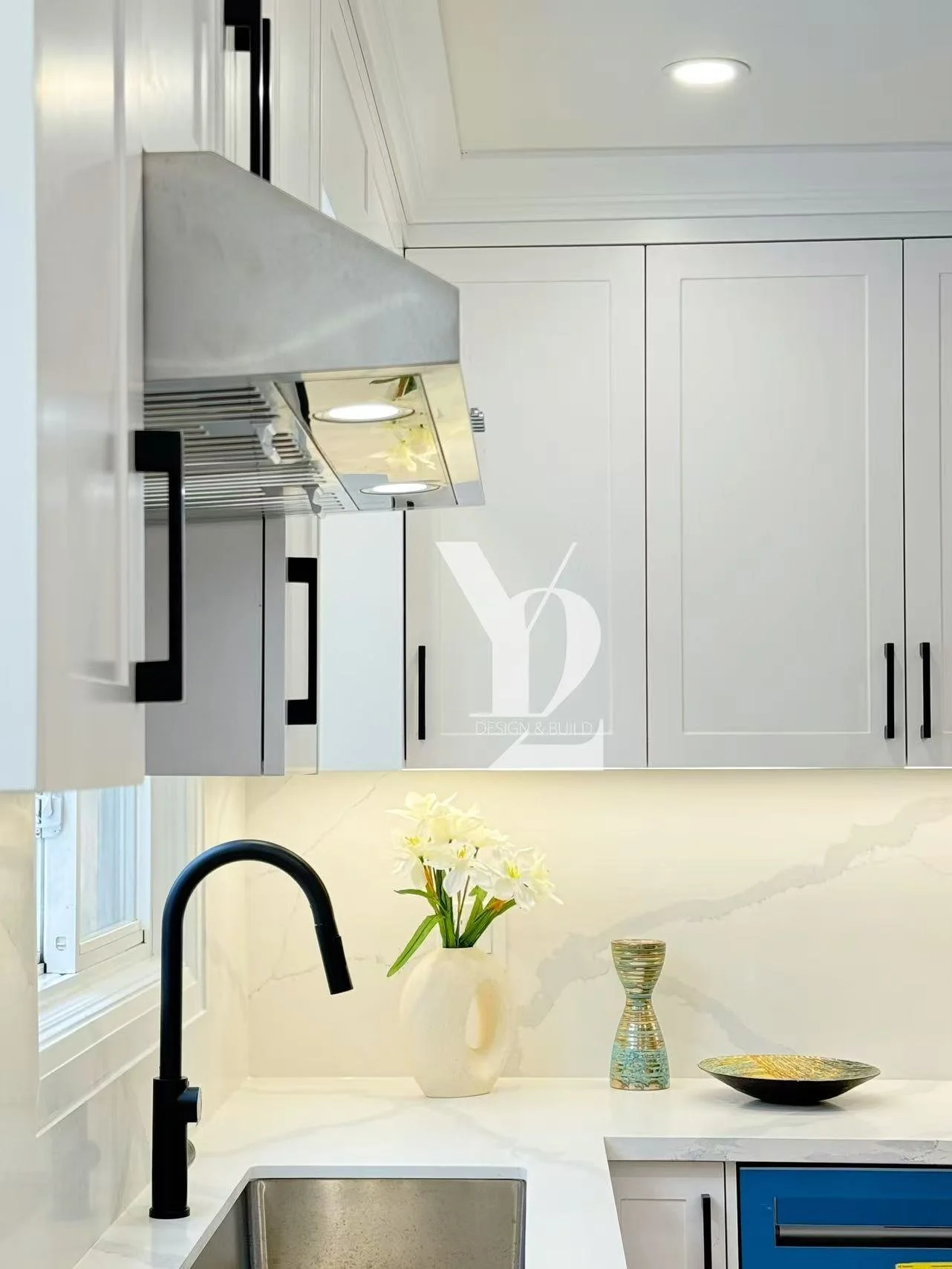
Kitchen’s Renovation
Renovation Is an Investment
In today’s GTA market, well-planned renovations can significantly increase a home’s resale value. Buyers are drawn to homes that feel modern, functional, and move-in ready. This means renovations should focus on usability, layout, and efficiency rather than decoration alone. Approaching renovation with an investment mindset helps homeowners prioritize upgrades that deliver stronger returns.So, What Should Homeowners Actually Renovate — and How to Prioritize It
Before starting any renovation, homeowners should take time to identify which areas of the home will benefit most from upgrades. Not every renovation delivers the same return, so focusing on high-impact areas is essential — especially when long-term value or resale is a consideration.
In GTA homes, the most common and value-driven renovation areas typically include kitchens, bathrooms, staircases, and main living spaces. Kitchen renovations often focus on improving layout, storage, and workflow to support everyday use. Bathroom renovations usually involve updating fixtures, finishes, and functionality to create a cleaner, more efficient space. Staircase renovations help refresh dated finishes while improving safety and overall visual impact. Main living areas benefit most from better flow between the kitchen, dining, and living rooms, making the home feel more open and connected.
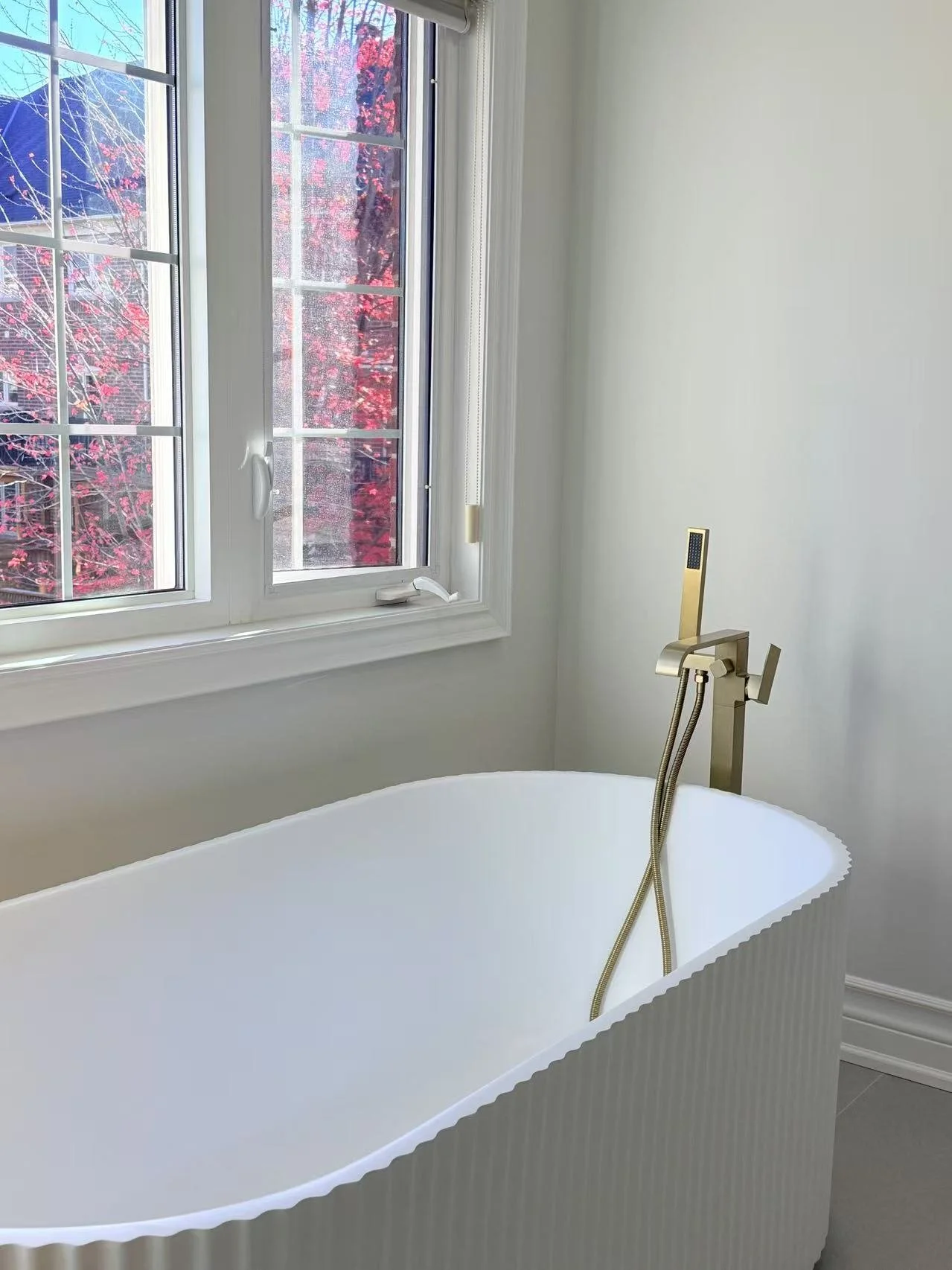
Bathroom’s Renovation
In many cases, outdated layouts, limited storage, and inefficient use of space create greater challenges than aging finishes alone. Addressing these underlying issues first often leads to better renovation outcomes and stronger resale appeal.
One of the most noticeable renovation trends leading into 2026 is improving layout flow. Many older GTA homes were originally designed with closed-off rooms and restricted circulation, which can make spaces feel smaller and less functional. Homeowners are now renovating to strengthen the connection between kitchen, living, and dining areas, remove unnecessary walls to open up sightlines, and improve movement throughout the home without wasting usable space. A well-planned layout can instantly make a home feel larger, brighter, and more comfortable — something buyers tend to notice immediately.
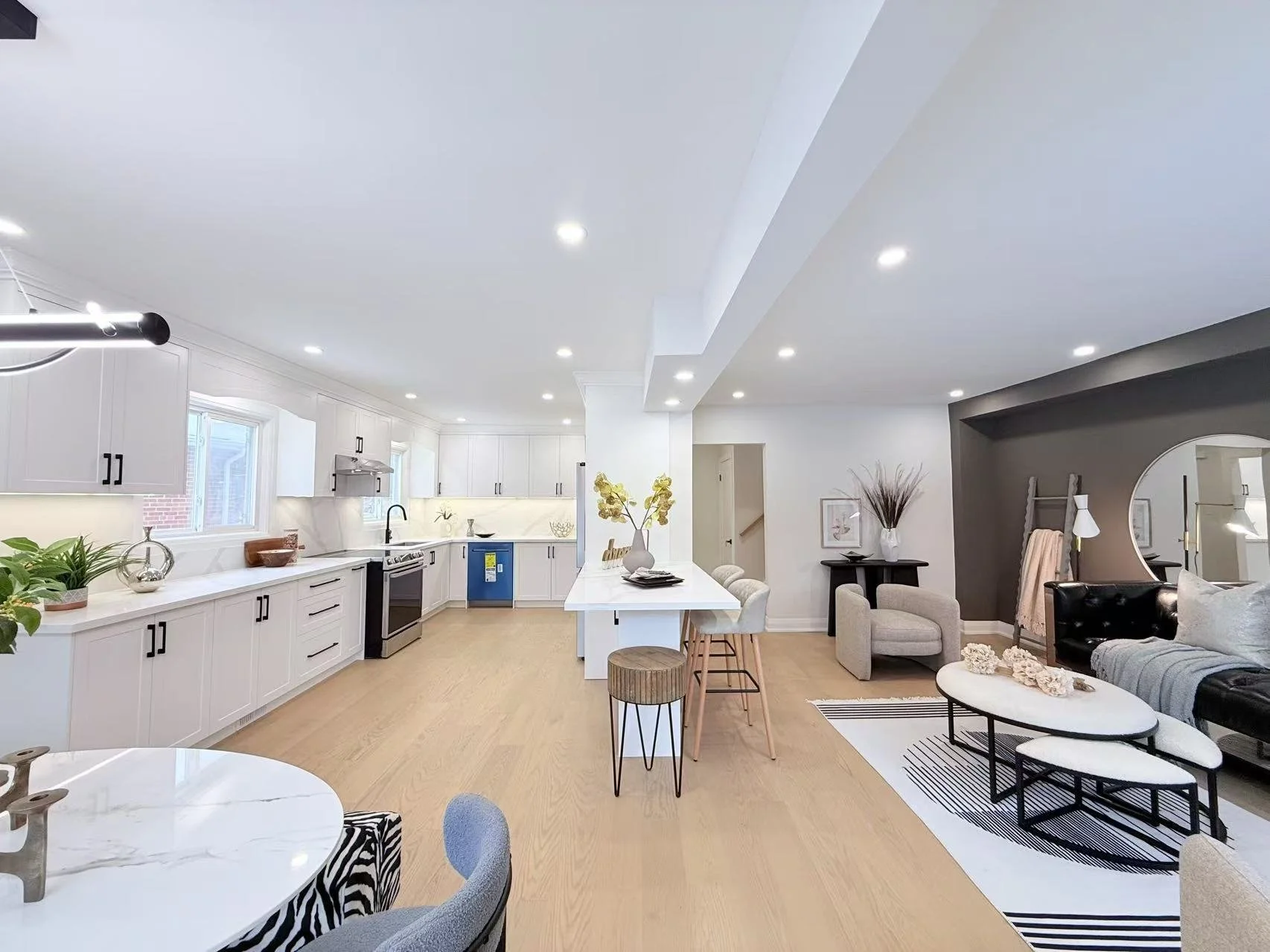
Living Room & Kitchen Layout Optimization
Alongside layout improvements, storage has become another major focus. Rather than adding square footage, many homeowners are choosing to maximize existing space through smarter storage solutions. Built-in cabinetry, improved closet layouts, under-stair storage, and more efficient kitchen and bathroom storage all contribute to a more organized and functional home. Well-designed storage not only improves daily living but also adds meaningful long-term value.
Final Thoughts
Last but not least, successful home renovation comes down to clear priorities, informed planning, and a practical understanding of how a home is used every day. By focusing on layout efficiency, usability, and long-term performance, renovations can deliver measurable improvements in both livability and property value. When approached thoughtfully, renovation becomes a structured decision rather than an emotional one — supporting long-term value in the GTA housing market in 2026 and beyond.